Epigenetics and Lifestyle Interventions for Hereditary Disease Risk Mitigation
You’ve probably heard it a thousand times: “It runs in the family.” Heart disease, diabetes, certain cancers — they feel like a ticking clock, written into your DNA. But here’s the thing… that clock might be more like a suggestion than a sentence. Enter epigenetics. It’s the science of how your environment and choices actually talk to your genes. And honestly, it’s a game-changer for anyone staring down a family history of disease.
Let’s get one thing straight: your DNA sequence is pretty much fixed. But the way your genes express themselves? That’s flexible. Think of your genome as a massive library of books. Epigenetics is the librarian deciding which books get read aloud and which ones stay on the shelf. And you — through your lifestyle — can influence that librarian. Wild, right?
What Exactly Is Epigenetics? (Without the Jargon)
Imagine your DNA is a long, tangled string of lights. Epigenetic marks are like little dimmer switches — they can turn a gene up, down, or even off completely. These marks are shaped by everything: what you eat, how you sleep, your stress levels, even the air you breathe. And here’s the kicker: some of these marks can be passed down to your kids. That’s why your grandmother’s diet during pregnancy might affect your health today.
But here’s the hopeful part: unlike your DNA sequence, epigenetic marks are reversible. You can change them. That means if you’ve got a family history of, say, type 2 diabetes or breast cancer, you’re not necessarily doomed. You’ve got a say in the matter.
Hereditary Risk Isn’t a Life Sentence — It’s a Head Start
Look, knowing you carry a genetic risk factor can feel heavy. It’s like walking around with a storm cloud overhead. But here’s the reframe: that knowledge is power. Because now you know exactly where to focus your lifestyle interventions. You’re not waiting for the other shoe to drop — you’re building a stronger floor.
Let’s break down some of the big ones. Heart disease, for instance. If your dad had a heart attack at 50, you might feel anxious. But epigenetics shows us that diet, exercise, and stress management can actually dial down inflammation-related genes. Same goes for certain cancers — like BRCA mutations for breast cancer. While surgery is one path, lifestyle changes like cruciferous veggies, regular movement, and avoiding endocrine disruptors can shift epigenetic markers that suppress tumor growth.
Lifestyle Levers That Actually Move the Needle
So, what can you do? Honestly, it’s not about perfection. It’s about consistent, small shifts that add up. Here are the big levers:
- Nutrition as epigenetic fuel: Foods like broccoli, kale, and Brussels sprouts contain sulforaphane, which activates tumor-suppressor genes. Green tea? Packed with EGCG, which can silence harmful gene expression. And don’t forget folate-rich foods (leafy greens, beans) — they’re crucial for DNA methylation, a key epigenetic process.
- Exercise isn’t just for muscles: It changes your epigenetic profile. Even moderate walking can alter methylation patterns linked to obesity and diabetes. One study found that just 20 minutes of exercise shifted markers in immune cells.
- Sleep is your nightly reset: Skimping on sleep disrupts the circadian rhythm, which messes with epigenetic clocks. Aim for 7–9 hours. Your genes will thank you.
- Stress management: Chronic stress cranks up cortisol, which can flip switches on inflammatory genes. Meditation, deep breathing, or even a daily walk in nature can dial it back.
Wait — What About Supplements?
Sure, some supplements show promise — like curcumin (turmeric) and resveratrol (from grapes). But here’s the deal: whole foods beat pills every time. The synergy of nutrients in a real meal is something no capsule can replicate. Plus, popping a supplement without addressing sleep or stress? That’s like patching a leaky boat while ignoring the hole.
The Role of Early Life — and Why It’s Never Too Late
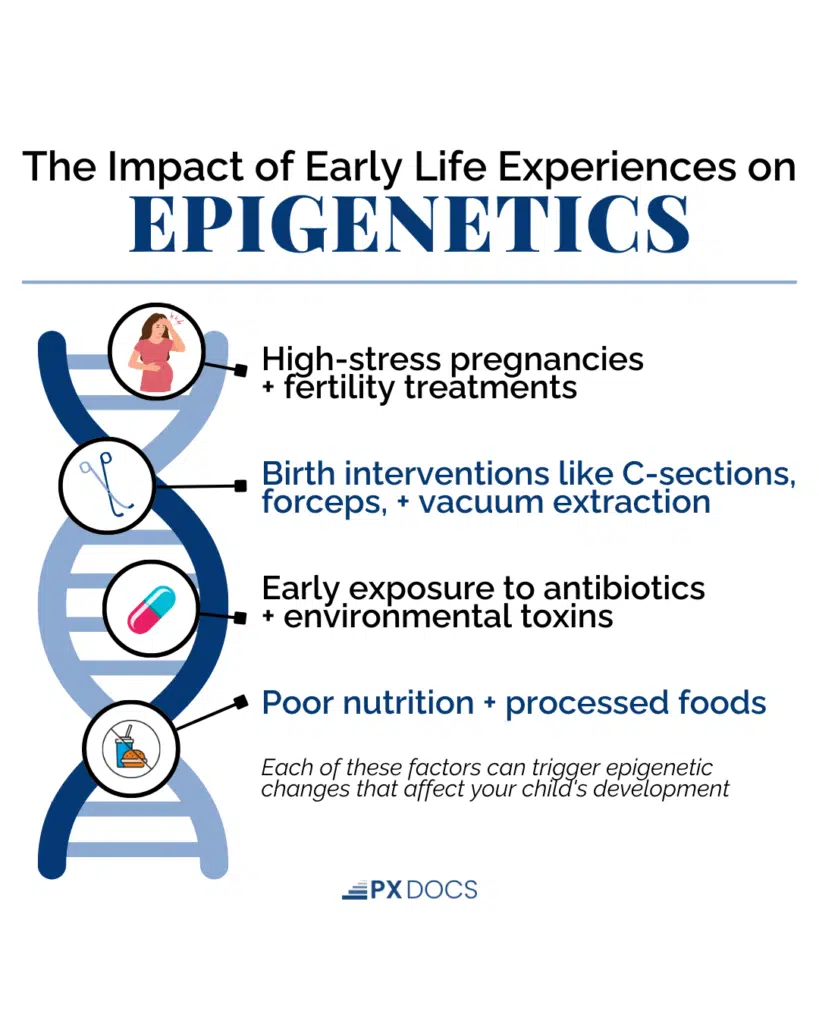
Here’s a fascinating wrinkle: your earliest environment — even in the womb — leaves epigenetic marks. If your mother experienced famine or high stress during pregnancy, those marks might influence your metabolism or mood decades later. But don’t panic. Research shows that later interventions can still overwrite those early imprints. It’s like editing a rough draft — messy, but possible.
In fact, a 2023 study on identical twins (who share the same DNA) found that lifestyle differences — like diet and exercise — created significant epigenetic divergence over time. One twin got healthier; the other didn’t. Their genes started looking different. That’s proof that your choices matter, no matter your starting point.
Table: Quick Guide to Epigenetic-Friendly Swaps
| Hereditary Risk Factor | Lifestyle Intervention | Epigenetic Effect |
|---|---|---|
| Heart disease | Mediterranean diet, aerobic exercise | Reduces inflammatory gene expression |
| Type 2 diabetes | Intermittent fasting, fiber-rich foods | Improves insulin sensitivity via methylation |
| Breast cancer (BRCA) | Cruciferous veggies, limit alcohol | Activates tumor-suppressor genes |
| Alzheimer’s | Omega-3s, social engagement, sleep | Protects against amyloid plaque buildup |
| Autoimmune disorders | Stress reduction, anti-inflammatory diet | Calms overactive immune gene pathways |
See the pattern? It’s not about a single magic bullet. It’s about a pattern — a lifestyle rhythm that supports your genes in doing their best work.
But What About the Science? Is This Real?
Totally fair question. Epigenetics isn’t some fringe wellness trend — it’s backed by hard science. The Human Epigenome Project, ongoing since the early 2000s, has mapped millions of these marks. And clinical trials are piling up. For example, a 2021 study in Nature showed that a 12-week lifestyle program reversed epigenetic aging by over 3 years in participants. Not slowed — reversed.
That said, we’re still learning. Not every epigenetic change is meaningful, and not every intervention works for everyone. But the direction is clear: your lifestyle is a powerful tool, especially when you’ve got genetic cards stacked against you.
Practical Steps to Start Tomorrow (Not Next Month)
Look, I get it — information overload is real. So let’s keep it simple. Here’s a short list of things you can actually do, starting tomorrow:
- Add one serving of leafy greens to your lunch. Spinach, kale, arugula — doesn’t matter. Your methylation cycle will thank you.
- Take a 10-minute walk after dinner. Not a workout — just a stroll. It lowers cortisol and nudges your epigenetic clock.
- Swap one sugary drink for green tea. EGCG is a potent epigenetic modifier.
- Go to bed 30 minutes earlier. Seriously. Your circadian rhythm is the conductor of your epigenetic orchestra.
- Write down one thing you’re grateful for. Stress reduction isn’t just woo-woo — it changes gene expression in immune cells.
That’s it. Five small moves. You don’t need a 12-week detox or a $500 supplement stack. You just need consistency.
The Big Picture — And a Tiny Dose of Hope
Here’s what I want you to take away: your genes are not your destiny. They’re more like a rough blueprint — a starting point. Epigenetics is the construction crew that can tweak the walls, add a window, or even knock down a wall that’s in the way. And you’re the foreman. You get to decide what gets built.
Does that mean you can erase every hereditary risk? No. But it means you can tilt the odds in your favor. Dramatically. And honestly, that’s a lot more than most people realize.
So maybe — just maybe — the best time to start is now. Not because you’re scared. But because you’re curious. Because you want to see what’s possible when you work with your genes, not against them.
After all, the librarian is listening.