Climate Change Impact on Vector-Borne Disease Patterns
Let’s be honest — when most people think about climate change, they picture melting glaciers or weird weather. But there’s a quieter, creepier story unfolding. It’s about bugs. Specifically, the ones that carry diseases. Mosquitoes, ticks, fleas — they’re all shifting their maps. And honestly, it’s messing with our health in ways we’re only starting to grasp.
The Big Picture: Why Vectors Are Moving
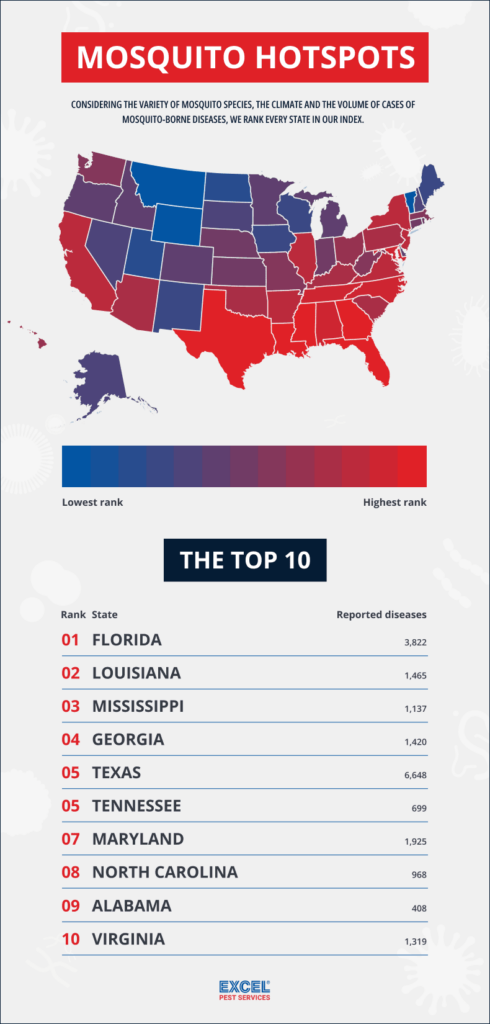
Vectors are living thermometers. They thrive in specific temperature ranges, humidity levels, and rainfall patterns. So when the planet warms, they don’t just sweat it out — they relocate. Or they multiply faster. Or they bite more. Here’s the deal: a warmer world means longer breeding seasons for mosquitoes. In fact, the Asian tiger mosquito — a nasty little critter that spreads dengue and chikungunya — has already colonized parts of Europe and the United States. That wasn’t happening twenty years ago.
And it’s not just heat. Changing rainfall patterns create new breeding grounds. Stagnant water after floods? Perfect for mosquito larvae. Droughts? Well, they force animals (and their ticks) to cluster around shrinking water sources, increasing disease transmission. It’s a tangled web, sure. But the trend is clear: vector-borne diseases are expanding their reach.
Lyme Disease: The Tick’s New Neighborhood
Take Lyme disease. It used to be a problem mainly in the northeastern U.S. and parts of the Midwest. Now? It’s creeping north into Canada — like, way north. Warmer winters mean ticks survive longer, and their active season stretches from early spring into late fall. You know what that means? More encounters with humans. And not just in forests — ticks are showing up in suburban backyards, city parks, even beach grass.
One study from 2023 found that Lyme disease cases in Canada have increased by over 1,000% in the last decade. That’s not a typo. It’s a thousand percent. And it’s not just Lyme — anaplasmosis, babesiosis, and Powassan virus are all riding the same warming wave.
What About Europe?
Same story, different continent. Tick-borne encephalitis (TBE) is popping up in higher altitudes in the Alps and Scandinavia. Places that were once too cold for ticks are now prime real estate. It’s like the bugs are following the heat — and we’re following the bugs.
Malaria’s Comeback? Not Quite — But Maybe
Malaria is the old heavyweight of vector-borne diseases. For decades, we’ve been fighting it with bed nets and drugs. But climate change is giving it a second wind — in some unexpected places. The highlands of East Africa, for example, used to be too cool for malaria-carrying mosquitoes. Not anymore. As temperatures rise, malaria is creeping up mountainsides, infecting populations with little immunity.
And here’s a weird twist: in some regions, extreme heat might actually reduce malaria transmission — because mosquitoes can’t survive above certain thresholds. But that’s a small consolation. The net effect? More people at risk overall, especially in areas with weak healthcare systems.
Dengue Fever: The Urban Spreader
Dengue used to be a tropical disease. You’d hear about it in Southeast Asia or Latin America. Now? Southern Europe is seeing outbreaks — in France, Italy, Spain. The Aedes aegypti mosquito, dengue’s favorite ride, loves warm, urban environments. And with climate change, cities are becoming perfect incubators. Add in population growth and international travel, and you’ve got a recipe for rapid spread.
In fact, the World Health Organization estimates that dengue cases have increased 30-fold in the last 50 years. Climate change isn’t the only driver — but it’s a huge one. Warmer temperatures speed up the virus’s replication inside the mosquito, making transmission more efficient. Scary stuff.
Let’s Talk Data: A Quick Snapshot
Here’s a table that sums up some of the key shifts. It’s not exhaustive — but it gives you the gist.
| Disease | Primary Vector | Climate-Driven Change | New Hotspots |
|---|---|---|---|
| Lyme disease | Black-legged tick | Warmer winters, longer active season | Canada, Scandinavia, higher elevations |
| Dengue fever | Aedes aegypti mosquito | Urban heat islands, expanded range | Southern Europe, U.S. Gulf states |
| Malaria | Anopheles mosquito | Rising temperatures in highlands | East African highlands, parts of South America |
| Chikungunya | Aedes mosquitoes | Increased rainfall, flooding | Caribbean, Southeast Asia, southern Europe |
| West Nile virus | Culex mosquito | Droughts concentrate birds & mosquitoes | North America, Mediterranean |
Notice a pattern? Every single one of these is expanding — not shrinking. And the pace is accelerating.
Why This Feels Different Now
You might think: “Okay, diseases shift. That’s happened before.” And sure, it has. But here’s what’s new: the speed. Climate change is happening faster than ecosystems can adapt. And we’re seeing diseases appear in places with zero immunity — and zero public health infrastructure to handle them.
Imagine a small town in Vermont. They’ve never dealt with dengue. Suddenly, a few cases show up. Local doctors don’t recognize it. Labs don’t have tests. The public health response is slow. That’s not hypothetical — it’s already happening in parts of the U.S. and Europe.
The Human Factor: Migration and Urbanization
It’s not just the bugs moving — we’re moving too. People displaced by climate disasters (floods, fires, droughts) often end up in crowded camps or urban slums. Perfect conditions for disease spread. And urbanization creates “heat islands” — cities that are several degrees warmer than surrounding areas, giving mosquitoes a cozy home year-round.
So it’s a perfect storm: changing climate + human movement + weak infrastructure. That’s the real danger.
What Can We Do? (Besides Panic)
Well, panic doesn’t help. But awareness does. Here are a few things that actually matter:
- Surveillance systems — We need real-time tracking of vector populations and disease cases. Think of it like weather radar for bugs.
- Community education — Simple stuff like removing standing water, using repellent, and checking for ticks. It sounds basic, but it saves lives.
- Climate adaptation — Building resilient healthcare systems in vulnerable regions. That means training doctors, stocking medicines, and improving diagnostics.
- Vaccine development — We’ve got a dengue vaccine (sort of). But we need more — for Lyme, for chikungunya, for the next unknown virus.
And yeah — reducing emissions. Because every fraction of a degree matters. The fewer warming scenarios we lock in, the fewer disease surprises we’ll face.
A Final Thought — Not a Conclusion, Just a Pause
Climate change isn’t some distant problem. It’s here. And it’s biting us — literally. The mosquitoes, the ticks, the fleas — they’re just doing what they’ve always done. But we’ve changed the rules of the game. Now we have to learn to play differently.
So next time you swat a mosquito or find a tick on your dog, think about it. That tiny creature is a messenger. And the message is loud and clear: the world is warming, and our health is on the line.