
Sustainable and Eco-Friendly Dental Care: A Brighter Smile for You and the Planet
Let’s be honest. For years, my morning and nightly routine involved a plastic toothbrush, a squeezy plastic tube of paste, and a plastic container of floss. I’d toss the brush every few months, the tube when it was empty, and the floss… well, who knows where that little container even ends up? It felt automatic. Necessary, even.
But then you start seeing the images—the plastic waste, the stories about landfills. And you think, “My little toothbrush? Really?” Well, in fact, yes. The American Dental Association estimates over 1 billion plastic toothbrushes are thrown away annually in the U.S. alone. That’s a mountain of plastic that won’t break down for centuries. So, what if we could care for our teeth without trashing the planet? Turns out, we can. And it’s easier than you might think.
Why Traditional Dental Care Has a Waste Problem
Here’s the deal. Conventional dental products are designed for convenience, not longevity. They’re a classic example of single-use or short-lifecycle items. The problem isn’t just the brush handle. It’s the packaging, the synthetic bristles, the microplastics in some toothpaste, and the unrecyclable mix of materials. It all adds up to a significant environmental footprint from a simple act of hygiene.
The Core Offenders in Your Bathroom Cabinet
| Product | Common Environmental Issue | Sustainable Swap |
| Plastic Toothbrush | Petroleum-based plastic, non-biodegradable, often packaged in more plastic. | Bamboo, wood, or recycled plastic brushes with replaceable heads. |
| Standard Toothpaste Tube | Multi-layered plastic/aluminum mix that’s notoriously hard to recycle. | Toothpaste tablets, powders, or paste in glass jars & metal tubes. |
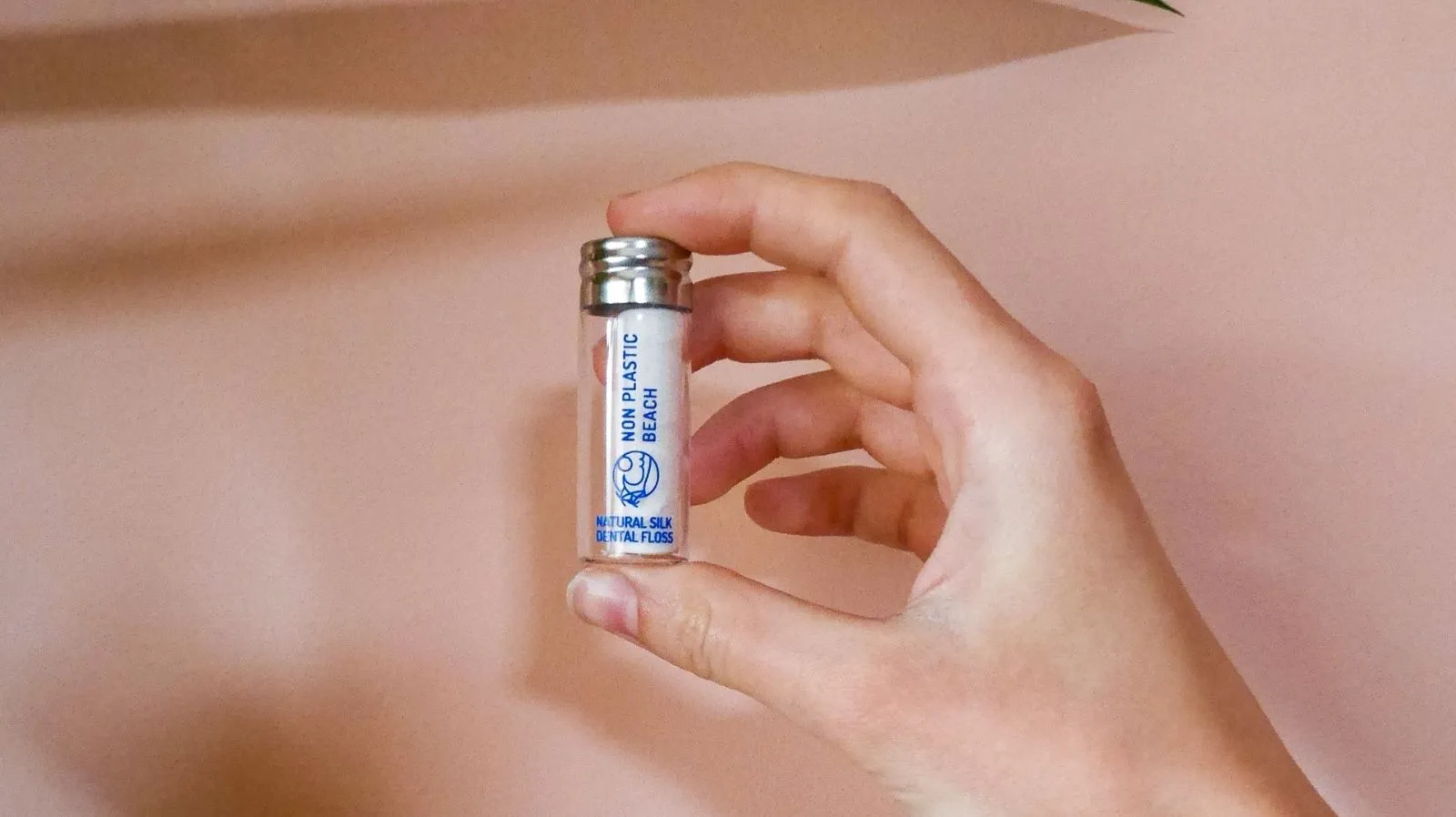
| Plastic Floss Containers | Single-use plastic case, often with a metal cutter. | Compostable silk or plant-based floss in refillable glass containers. |
| Mouthwash Bottles | Large plastic bottles, often with chemical ingredients that impact water systems. | Concentrated drops you mix with water, or mouthwash tablets. |
Making the Switch: A Guide to Eco-Friendly Dental Products
Okay, so where do you start? Don’t feel like you have to overhaul everything overnight. Pick one item, get used to it, then move to the next. That’s how habits—good, lasting ones—are built.
The Humble (but Mighty) Toothbrush
This is the easiest entry point. Bamboo toothbrushes have exploded in popularity, and for good reason. Bamboo is a fast-growing, renewable grass that’s naturally antimicrobial. Just check the bristles—look for ones made from castor bean oil (often labeled “biobased”) or bristles that are recyclable separately. Some brands even offer a take-back program for the heads. Another fantastic option? A high-quality electric toothbrush with a replaceable head. The body lasts for years, drastically reducing waste compared to tossing a whole brush every three months.
Toothpaste: Beyond the Squeezy Tube
This is where it gets fun. The world of zero-waste toothpaste alternatives is genuinely innovative.
- Toothpaste Tablets: These little pellets are a game-changer. You pop one in your mouth, chew it, let it turn into a paste with your saliva, and brush. They come in glass jars or compostable pouches. No water, no plastic.
- Toothpaste Powder: Often made with baking soda, clay, and essential oils. You dip a damp brush into a little jar. It has a different texture—gritty, in a cleansing way—that leaves your mouth feeling incredibly clean.
- Metal Tube Paste: If you just can’t let go of a paste, many brands now use recyclable aluminum tubes. You can even find ones with fluoride, which is important for many people’s dental health needs.
Flossing Without the Guilt
Traditional floss is typically made from nylon (a plastic) coated in more chemicals and comes in that pesky plastic case. Sustainable dental floss options are a beautiful thing. Look for:
- Floss made from silk (often coated in candelilla wax) or plant-based fibers like corn fiber.
- It should be compostable. Seriously, you can toss used bits in your compost bin.
- Packaging is key: Refillable glass or metal dispensers are the gold standard. You buy a glass jar once, and just refill the floss spool inside.
Broader Practices for a Green Dental Routine
Sustainable dental care isn’t just about the tools. It’s about the mindset, the daily habits that extend beyond the products themselves.
First, water usage. Turn off the tap while you brush. It sounds so simple, but it saves gallons each time. Think of it as a free and easy environmental win.
Second, consider the ingredients. Eco-friendly oral care often goes hand-in-hand with cleaner formulas. You’re avoiding harsh sulfates, artificial sweeteners, and microplastics (yes, some conventional pastes contain them!). You’re choosing ingredients derived from nature. That’s better for your body and for our waterways.
Finally, disposal. When your bamboo toothbrush is done, snap off the head (if it has plastic bristles) and toss the handle in the compost. Recycle metal tubes and glass jars. Seek out those brand recycling programs. It’s the final, crucial step in closing the loop.
It’s a Journey, Not a Perfect Destination
Look, you might try a toothpaste tablet and decide you hate the texture. That’s okay. Maybe a bamboo brush feels different in your hand. That’s fine, too. The goal isn’t perfection; it’s progress. Every plastic tube you don’t buy, every disposable brush you avoid, is a vote for a healthier planet.
And honestly, there’s a hidden joy in this shift. There’s a tactile pleasure in using a beautifully crafted bamboo brush or the ritual of crushing a minty tablet with your teeth. It transforms a mundane task into a small, intentional act of care—for yourself, and for the world just outside your bathroom window. That’s a feeling no plastic tube can ever provide.

